At a glance
- Before chemotherapy or radiotherapy
- Women who wish to delay pregnancy
- Before surgery that may affect the ovaries or testes
- Surplus good-quality embryos after IVF
Fertility preservation means freezing eggs, sperm, embryos or reproductive tissue so they can be used later. At Ridge IVF it is offered to cancer patients before chemotherapy or radiotherapy, to women who wish to have children later in life, and to couples with surplus embryos after IVF.
Options for women
- Egg freezing (oocyte cryopreservation) — the ovaries are stimulated, eggs are collected and frozen by vitrification.
- Embryo freezing — eggs are fertilised with a partner’s sperm and the embryos are frozen.
Options for men
- Sperm freezing — a semen sample (or surgically retrieved sperm) is frozen and stored.
How freezing works
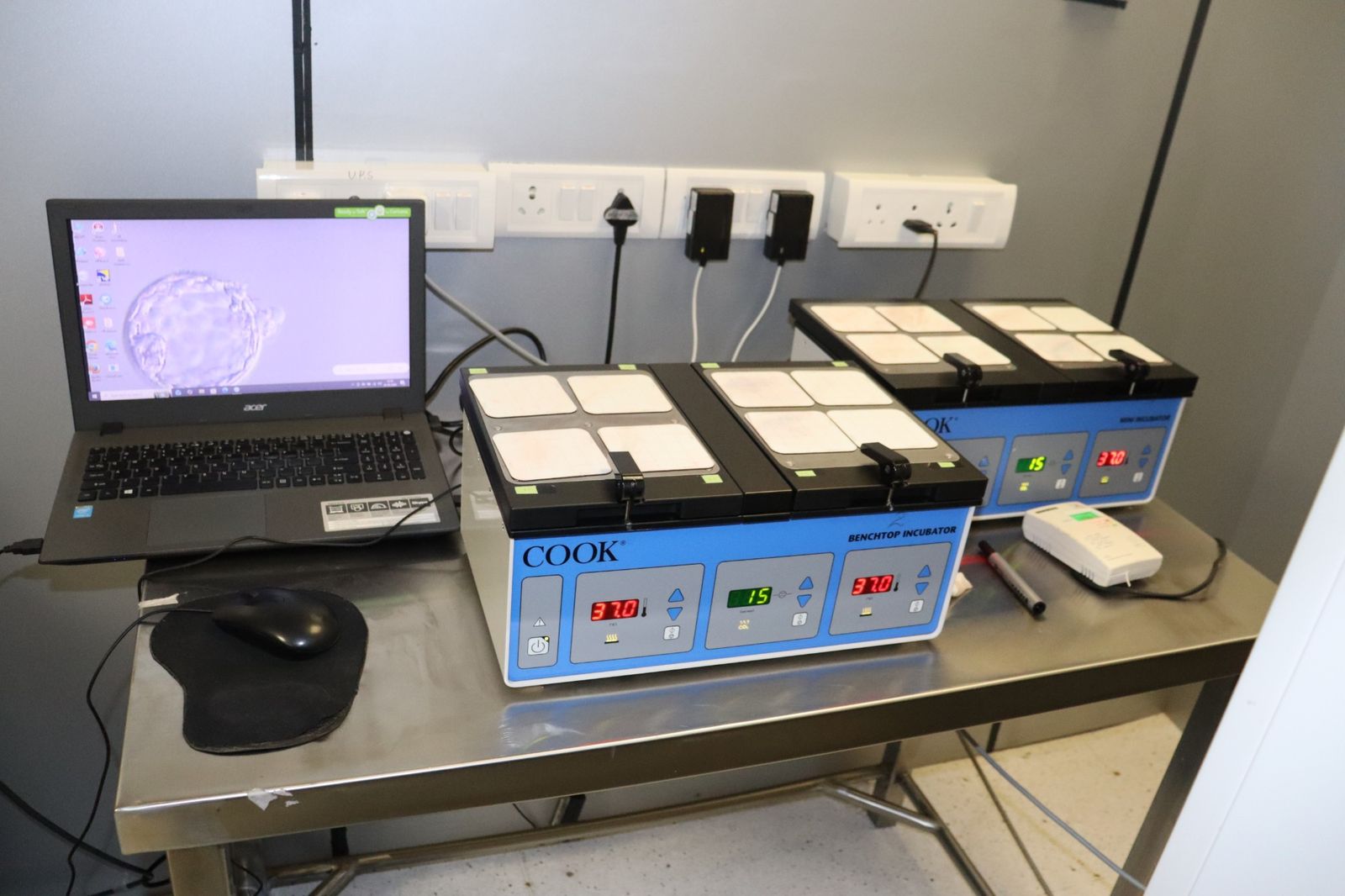
Modern vitrification cools cells so quickly that ice crystals do not form, which helps them survive thawing. Frozen samples are stored in liquid nitrogen at −196 °C and can be kept for many years.
Read more in our article What is cryopreservation (freezing)? Your doctor will explain the options, costs and the legal consent required before any freezing.
Further reading
Frequently asked questions
Will fertility preservation delay my cancer treatment?
Usually only slightly, or not at all. Sperm banking can be done within a day or two, and egg or embryo freezing typically takes about two weeks, planned around the date your oncologist sets. Oncofertility preservation.
Does freezing my eggs reduce my natural fertility later?
No. Stimulation rescues eggs from that month's group of follicles, which would otherwise be lost, rather than drawing on future reserves. Egg freezing guide.
Can I freeze eggs if my AMH is low?
Often, yes. A low AMH usually means fewer eggs per cycle, so more than one cycle may be needed. Egg quality depends more on age than on AMH.
Can I freeze my eggs for the future?
Yes. Egg freezing is an option for women who wish to delay pregnancy or who need treatment such as chemotherapy that may affect fertility. Eggs frozen at a younger age generally have a better chance of success later.
The information on this website is for general education and does not replace a consultation. Treatment plans and outcomes differ from person to person; no treatment can guarantee pregnancy or a live birth.