

What is a Blastocyst?
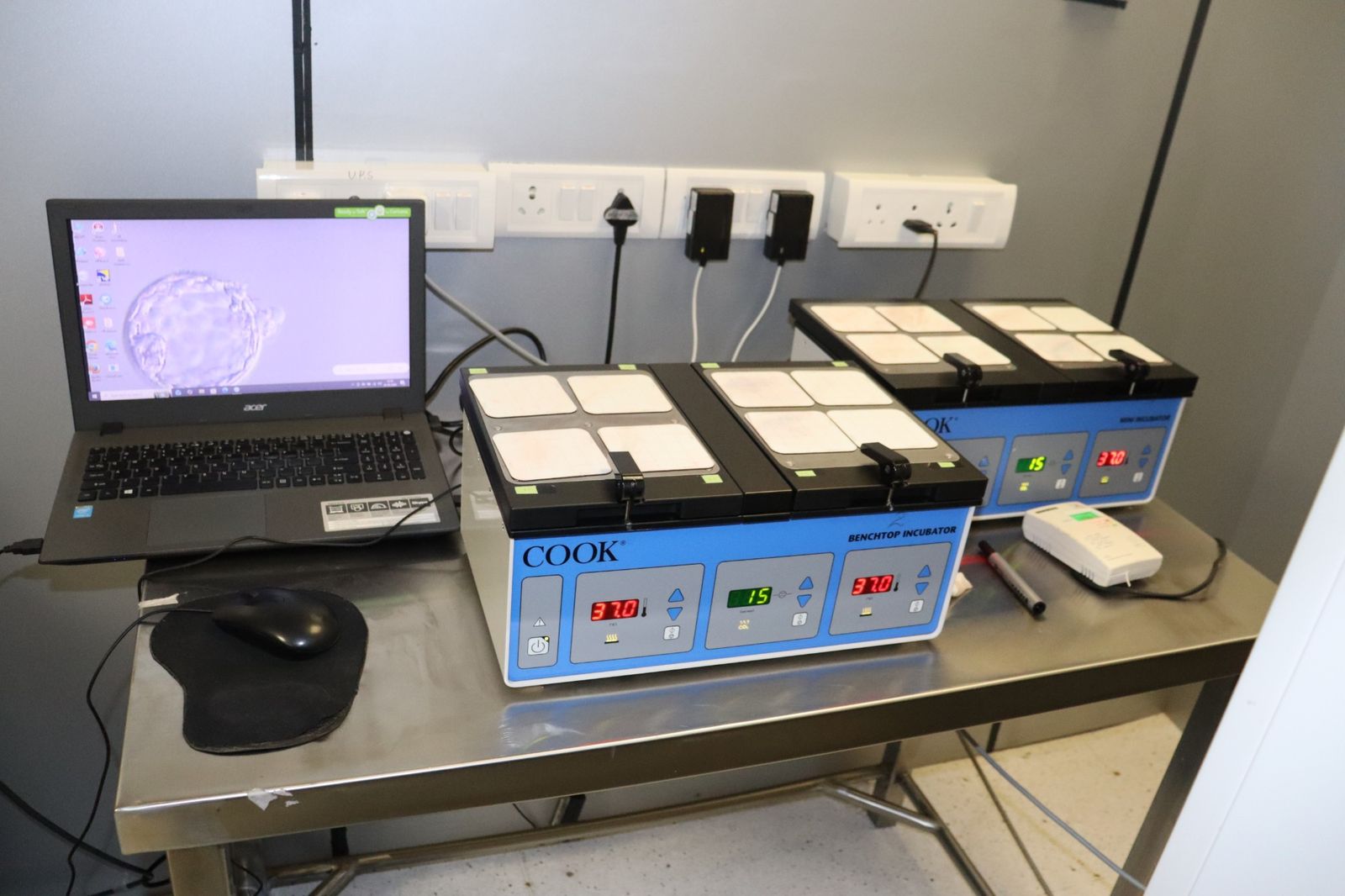
A Blastocyst develops when an embryo reaches five days of development stage. At this stage, the embryo has a bunch of cells distributed in two areas: an outer embryo lining and an inner mass. In a natural cycle, the embryo reaches the Blastocyst stage in the uterus before implantation.
How Many Embryos are Transferred?
Two embryos are transferred in women below the age of 40, and three embryos are transferred in women above 40.
Why is Blastocyst Transfer Popular?
Blastocyst transfer mimics a “natural” type of transfer more than the Day 3 transfer procedure. This is because the Blastocyst embryo is implanted into the uterus at almost the same time that it would have entered the uterus should the pregnancy have been a natural one. Another important aspect is the grade of the Blastocyst; if the Blastocyst is of a higher grade, then the chances of success are better. Patients also opt for Blastocyst transfer as fewer embryos are required.
Who Gets a Blastocyst Transfer?
Some couples are more suited to Blastocyst transfer than others. You may be a good candidate for this type of transfer if:
- You have not had success with previous Day 3 transfers.
- You have a relatively good number of embryos to be monitored.
- If good quality embryos survive up to day 5
The decision comes after discussion with the embryologist and the doctor. If you want to consult regarding embryo transfer you can come to Ridge IVF.
Further reading
- IVF Fertility Treatment Step by Step: A Week-by-Week Timeline
- Blastocyst Transfer vs Day 3 Transfer: Which Is Right for You?
- Laser Hatching Treatment: The Honest Evidence and Who May Benefit
- PGD and PGS Treatment: Who Needs It and How It Fits Into IVF
- PGD and PGS Genetic Testing Explained: Science, Accuracy, Results
Frequently asked questions
Is an embryo safe in the laboratory until day 5?
Yes. Modern incubators keep temperature, gases and humidity very stable, and in natural conception the embryo reaches the uterus around day 5 anyway. Embryos that stop growing in culture are usually those that would not have continued in the body either.
What if none of my embryos reach the blastocyst stage?
It is disappointing, but it gives useful information about egg or sperm quality. Your consultant will review the cycle and may suggest changes such as a different stimulation protocol or ICSI. Blastocyst vs day 3 transfer.
How long can frozen blastocysts be stored?
Vitrified embryos remain stable for many years. Storage limits are set by the ART (Regulation) Act and Rules, and you sign consent forms about storage duration and what should happen to unused embryos. About cryopreservation.
Is blastocyst transfer better than a day 3 embryo transfer?
In blastocyst transfer embryos are grown in the laboratory for five to six days before transfer, the stage at which an embryo naturally reaches the uterus. Extended culture helps the embryologist choose the embryo with the best potential and makes single-embryo transfer easier. It is not right for everyone; your doctor decides based on how many embryos are developing. See blastocyst vs day 3 transfer.
The information on this website is for general education and does not replace a consultation. Treatment plans and outcomes differ from person to person; no treatment can guarantee pregnancy or a live birth.